
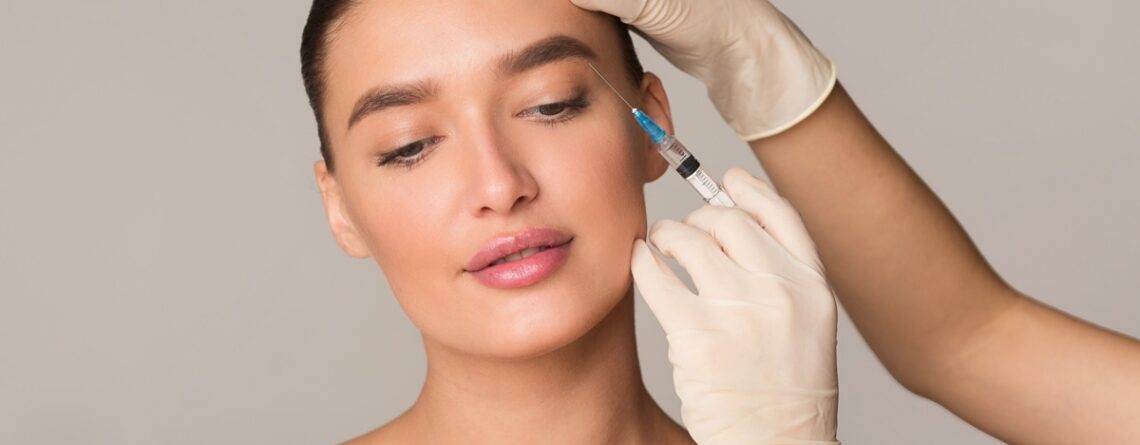
Preventative Botox in Your 20s & 30s: Does Starting Early Work?
You’ve noticed a line forming when you raise your eyebrows. It’s not there when your face is relaxed, just when you make the expression. But you’re only 26, is it too early to turn to preventative Botox?
Short answer: not at all. A lot of people your age are already doing exactly that.
What “Preventative Botox” Actually Means
People throw around the term “baby Botox” a lot, and it sounds like marketing, but it describes something real. It’s the same product, just used differently. Smaller doses, more targeted placement, and the goal isn’t to erase anything. The goal is to stop something from forming in the first place.
Here’s the logic behind it. Expression lines start out dynamic, meaning they only show up when you’re actually making a face. Frowning, squinting, raising your brows. Over years, repeating that same movement thousands of times trains the crease into your skin permanently, so eventually the line is there even when your face is doing nothing at all.
Botox interrupts that process early. Relax the muscle before the crease sets in, and the crease has a much harder time forming.
How It Actually Works
The mechanism doesn’t change based on your age. Botox still relaxes the targeted muscle the same way it always does. What changes in your twenties and thirties is the dose and the intent behind it.
Smaller amounts get used, often injected every three to six months rather than treating aggressively all at once. The idea isn’t to freeze your face, it’s closer to just turning the intensity down slightly on the muscles that move the most, the ones responsible for frown lines, forehead creases, and crow’s feet.
Over time, those muscles also seem to learn something. They contract with less force than they used to, even between appointments. That’s part of why people who start early sometimes need less over the years, not more.
Does It Actually Prevent Wrinkles?
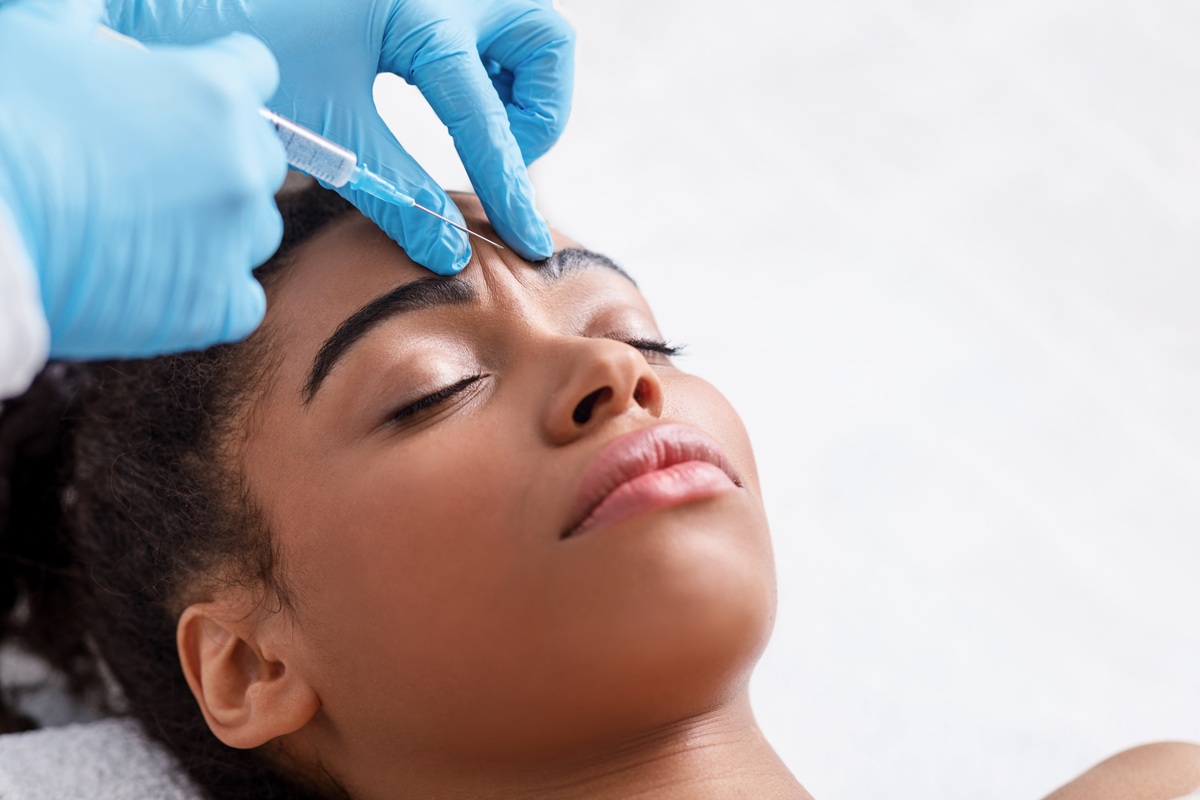
For dynamic lines specifically, yes. Treating the muscle before a crease becomes permanent genuinely can keep that line from ever fully setting in.
What it can’t do is stop the aging process entirely or prevent every kind of line that eventually shows up on a face. Genetics, sun exposure, and skin quality all play a role too. Botox handles one part of the equation, the repetitive muscle movement part, and it handles that part well.
The Upside
Starting earlier tends to mean smaller, more subtle treatments. You’re maintaining rather than correcting, and maintaining is a much gentler process than trying to soften a line that’s already become permanent.
It also doesn’t lock you into anything. Plenty of people assume starting young means committing to Botox forever, but that’s not really how it works. If you stop, your muscles go back to moving the way they did before. Nothing changes permanently just because you started at 28 instead of 48.
The Tradeoffs
None of this comes without downsides. It’s an ongoing cost, typically $300 to $600 per session, and you’re repeating that every few months, not once and done. Over years, that adds up.
There’s also a real risk if it’s overdone. Starting aggressively, or treating too many areas too early, can leave you looking overly smooth or expressionless in a way that reads as unnatural, especially on a younger face where a little movement is expected and looks normal. There’s also some concern that treating muscles too frequently at a young age could lead to a kind of fatigue in how they respond over time, though this varies a lot from person to person.
The difference between preventative Botox done well and done poorly usually comes down to dosing and restraint, not the treatment itself.
Is It Right for You
It depends less on your age and more on what your face is actually doing. If you’re already seeing a line show up every time you make a certain expression, even if it disappears completely at rest, that’s usually a sign prevention could be worth considering. If your skin is smooth at rest and only moves normally with expression, there’s less of a rush.
What your specific lines look like, how deep they’re starting to get, and what your skin is doing at rest versus in motion all factor into whether early treatment makes sense for you specifically, and how much you’d actually need.
At Virtual Skin Spa in Jericho, that conversation starts with actually looking at your face, not applying a standard timeline to everyone who walks in.
Book a consultation here or call (917) 331-6191.










Leave a Reply
You must be logged in to post a comment.