

HydraFacial vs. Chemical Peel: Which One Is Right for You?
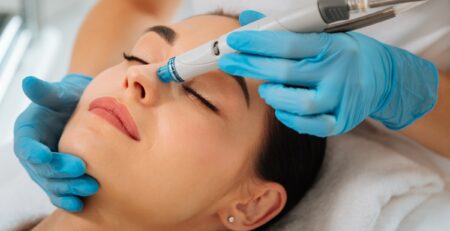
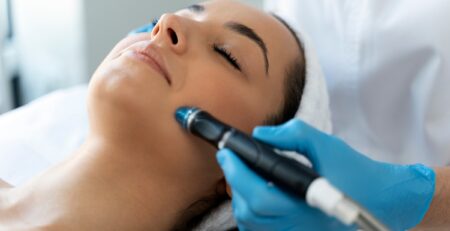
Start here: a HydraFacial is not a type of peel. It’s a clearance and hydration treatment that happens to use a mild acid component—glycolic and salicylic at very low concentrations—as part of the process of loosening what’s sitting in your pores. But the acid isn’t the point. The point is the suction extraction and the serum infusion that follows it. Results are immediate. You walk out looking better than you walked in, and there’s nothing on the other side of it—no peeling, no recovery, nothing to hide.
A chemical peel is asking something different of your skin entirely. It’s triggering a controlled injury. The acid breaks down the bonds between dead skin cells and initiates a regeneration response underneath—and the result doesn’t appear in the treatment room. It shows up over the next several days as your skin sheds the treated layer and new cells surface. Light peels cause mild flaking for a few days. Stronger peels cause visible peeling and redness for closer to a week. The more aggressive the peel, the more you’re committing to a recovery window before you see what you actually got.
The Question Most People Aren’t Asking
They want to know which one is better. That’s not the right question. The right question is which one addresses what you’re specifically dealing with—because they target different problems.

If your skin is congested, if your pores look clogged regardless of what you use at home, if you’ve got that dull flat look that doesn’t shift with regular skincare—HydraFacial is doing something a peel can’t replicate. The suction physically removes what’s sitting in those pores. Acid exfoliation improves the surface above them but it doesn’t clear them the same way. People who’ve had both will often tell you the HydraFacial extraction gets more out in one session than months of home exfoliation.
Pigmentation is a different problem. Sun damage, dark spots, the kind of uneven tone that comes from years of not taking UV seriously enough. That’s where chemical peels earn their place. The accelerated cell turnover from a glycolic or lactic acid peel pushes pigmented cells to the surface and gets rid of them faster than gentle maintenance will. Adding brightening boosters to a HydraFacial helps gradually—but gradually is the operative word. If the pigmentation is established and it bothers you, a peel targeted to that concern moves faster.
Same logic applies to texture. Rough skin, shallow scarring from old breakouts, fine lines that are present at rest and not just with expression. Those require resurfacing, not just clearing. A chemical peel is doing something structurally different than a HydraFacial for those concerns.
Is a Hypdrafacial or Chemical Peel Better?
Even if a chemical peel would serve your concern better, it’s not always the right choice at the right time. Downtime is part of the treatment. A superficial peel might not cause anything visible—or it might cause several days of flaking that’s noticeable enough to affect your plans. A medium-depth peel will. If you’ve got something coming up, if your schedule doesn’t have buffer days built in, HydraFacial is the smarter call right now regardless of what might theoretically work better.

HydraFacial also wins for sensitive skin. The protocol can be adjusted down considerably without losing the core benefit. Chemical peels on reactive or compromised skin, chosen without careful attention to what the skin can actually handle, cause more problems than they solve. Not always. But often enough that the conversation about whether a peel is appropriate needs to happen before you’re sitting in the chair.
Using Both Hydrafacial and a Chemical Peel
A lot of people do. Monthly HydraFacial keeps things clear and hydrated—good baseline maintenance that makes your skin more receptive to everything else. A chemical peel twice or three times a year addresses the concerns that maintenance alone doesn’t reach. The two genuinely complement each other when they’re timed right.
What doesn’t work: doing them back to back. Skin that’s just been through a HydraFacial is more reactive than usual. Give it at least a week before applying a peel on top of it. After a peel, wait until everything has fully settled before going back in with another treatment.
If you’re in Jericho or anywhere on Long Island and still not sure which direction makes sense for your skin, the conversation worth having is in person. Virtual Skin Spa offers both treatments. Theresa Pinson will look at your skin and tell you straight what will actually move the needle for what you’re dealing with.




Leave a Reply
You must be logged in to post a comment.