
What Is a HydraFacial? A Complete Guide for First-Timers on Long Island
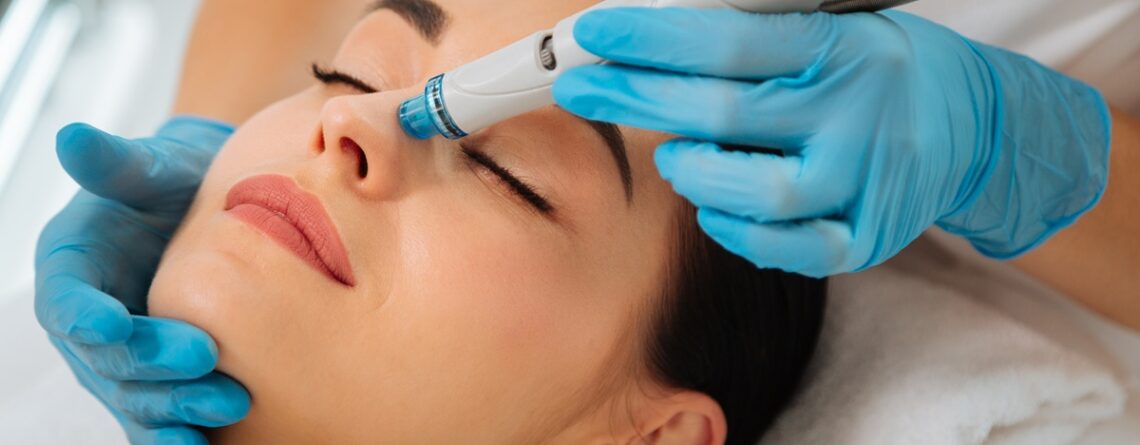
A HydraFacial is three things happening more or less at once: exfoliation, extraction, and hydration. The device that does it has a spiral tip that creates suction while simultaneously pushing serums into the skin. The suction pulls debris and congestion out of the pores. The serums go in as that’s happening. The exfoliation comes from a combination of the tip itself and a mild chemical component—glycolic and salicylic acids at low concentrations—that loosens whatever is sitting in those pores before the suction gets there.
The reason this works differently than a regular facial is the simultaneity of it. A traditional facial cleans the surface, does manual extraction, then applies product on top of skin that still has a layer of dead cells and residue on it. HydraFacial clears the path first and infuses while the path is clear. That’s a real difference, not a marketing one. The skin absorbs differently when it’s been properly prepped.
What you see in the immediately after—the glow everyone mentions—is mostly hydration. Skin that’s just been cleared and then saturated with hyaluronic acid and antioxidants reflects light differently than skin that hasn’t been touched in a month. It’s not magic. It’s just what happens when you remove what’s blocking the surface and then give it something to hold onto.
The Treatment Itself
Thirty to forty-five minutes for a standard session. Longer if you’re adding boosters or LED.
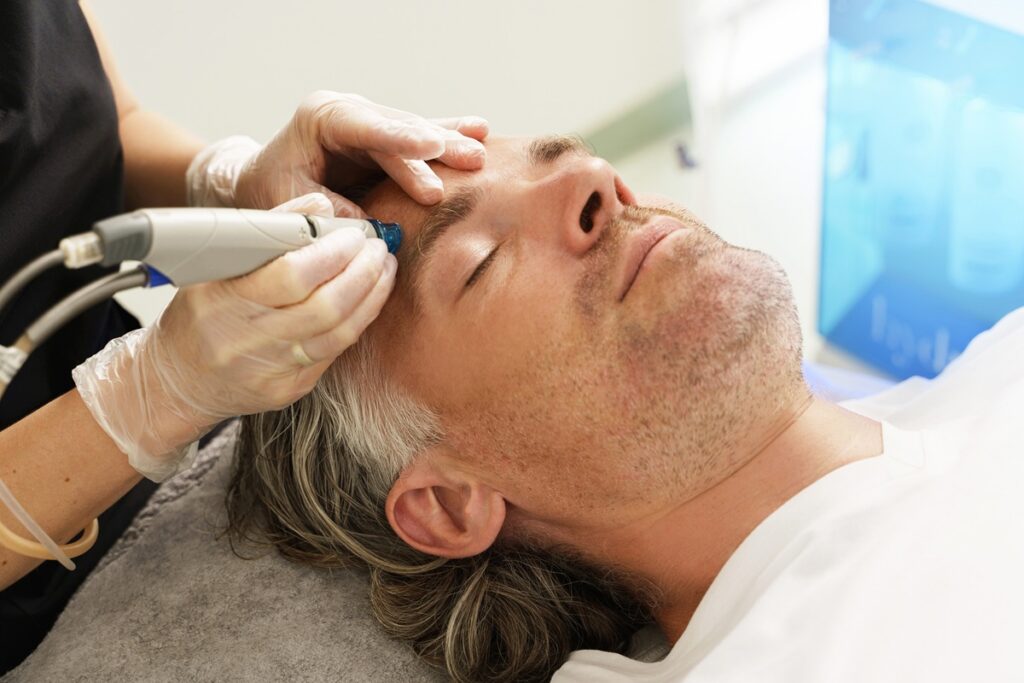
The sensation is genuinely unusual the first time—a gentle vacuum moving across the skin, slightly warm, a mild tingling during the acid phase. People describe it as somewhere between relaxing and oddly satisfying, especially during extraction. If you’ve had manual extractions before and found them uncomfortable, the comparison is significant. The suction method is considerably more pleasant. Most people are surprised by how much comes out with so little pressure involved.
There’s a mild chemical peel step in the middle that sounds more alarming than it is. The acids used are low enough concentration that you won’t peel, you won’t be red for a week, you won’t need to plan anything around recovery. You’ll feel a brief tingling. That’s it.
By the end, most people look immediately better than when they walked in. Not subtly better. Noticeably better. Cleaner skin, smaller-looking pores, a kind of luminosity that’s hard to fake. That immediate result is a significant part of why people keep coming back—most aesthetic treatments ask you to wait. HydraFacial doesn’t.

Who It Works For, And Who Should Have a Conversation First
Dry skin. Oily skin. Combination. Sensitive. Fine lines. Congestion. Dullness. Uneven texture. The list of skin types and concerns that respond well to HydraFacial is genuinely long, which is unusual for a treatment that actually produces results. Most things that work have a narrower profile than this.
The two situations where it gets more nuanced: active, inflamed acne and rosacea. Not that either automatically rules it out—but the protocol needs to be adjusted. An inflamed breakout isn’t the moment for aggressive extraction. Rosacea-prone skin needs different serum selections and more conservative settings. A provider who runs the same protocol on everyone regardless of what’s in front of them is cutting corners. Worth knowing before you book.
Outside of those two, most people can do this treatment without modification.
How Long Hydrafacial Results Last
Single treatment: most people hold the result for two to four weeks. The skin continues improving for a few days after as the serums settle, then gradually returns to baseline. Two to four weeks is a wide window—where you land in it depends on your skin type, how much congestion you were starting with, and how your barrier function responds to the hydration.
With regular treatment—monthly is the standard recommendation—results don’t just repeat, they compound. Skin that’s consistently being exfoliated, cleared, and infused with active ingredients behaves differently over time. The glow stops being a post-treatment novelty and starts being a baseline. Pores stay cleaner because there’s less opportunity for buildup. The texture improvement holds longer between sessions. That cumulative effect is where the real value of consistent HydraFacial sits.
Aftercare Is Simple
Go about your day. Wear makeup if you want. The skin is clean and prepped, which means it’s also temporarily more vulnerable to UV, so sunscreen immediately after matters more than it usually does. Skip the retinol and strong acids for 24 to 48 hours—freshly exfoliated skin doesn’t need more exfoliation on top of it. That’s genuinely about it.
No peeling. No significant redness. No recovery window to plan around. This is an advantage over more aggressive resurfacing treatments and part of why it fits easily into a regular routine without requiring lifestyle reorganization.
A Few Things Nobody Mentions
The extraction step pulls out more than you expect. First-time patients are routinely surprised—sometimes fascinated, sometimes mildly horrified—by what comes out during that phase. This is not a sign of unusual congestion. It’s a sign that the suction is effective and most people are walking around with more pore congestion than they realize. Seeing it happen is oddly clarifying.
Add-ons and boosters are real and worth discussing. The base HydraFacial protocol addresses overall skin quality. If you have specific concerns—hyperpigmentation, fine lines, active breakouts—there are targeted serums that can be added into the treatment that address those more directly. Whether they’re worth the additional cost depends on your skin and your goals. A provider who recommends them based on looking at your face is giving you useful guidance. One who recommends them to everyone is not.
The day after is sometimes better than the day of. The serums continue working after you leave. Some people find their skin looks even better 48 hours post-treatment than it did walking out the door. This isn’t universal, but it’s common enough to mention so you’re not surprised.
If you’re on Long Island and curious whether HydraFacial makes sense for your skin, Virtual Skin Spa in Jericho is a reasonable place to start that conversation. Theresa Pinson and her team have been treating Long Island patients long enough to tell you honestly whether this is the right treatment for what you’re dealing with—or whether something else would serve you better.
A consultation isn’t a commitment. Book one here or call (917) 331-6191.
Virtual Skin Spa: 500 North Broadway, Suite 142A, Jericho, NY 11753.





Leave a Reply
You must be logged in to post a comment.