
Microneedling vs. Chemical Peel: Which One Is Right for Your Skin?
They show up in the same search results, they treat many of the same concerns, but they’re not the same treatment—and picking the wrong one is a costly mistake.
Most people researching skin treatments come across both microneedling and chemical peels at some point. The listed benefits look similar enough that the choice feels like a coin flip—but it’s not. These treatments work through entirely different mechanisms, and that difference is what determines which one actually moves the needle on your specific concerns.
What’s Actually Happening
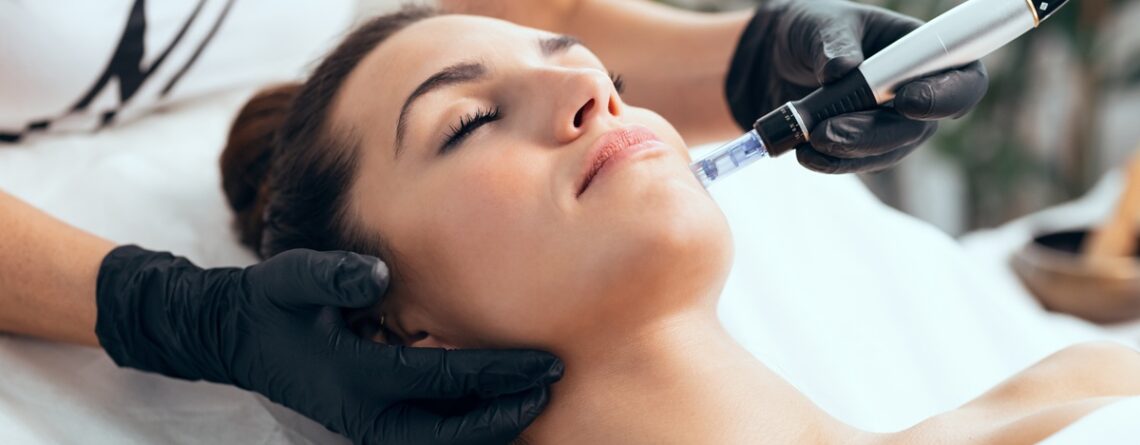
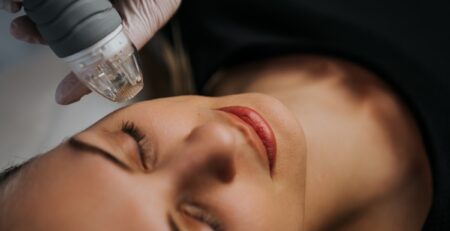
Microneedling doesn’t introduce any chemicals into your skin. The Eclipse MicroPen creates controlled micro-injuries using 12 surgical-grade needle tips, prompting your body to produce new collagen and elastin. Skin gets stronger and healthier from the inside out. That’s precisely why it reaches concerns that other treatments can’t: scarring, stretch marks, skin laxity, enlarged pores—structural issues that topical products simply weren’t designed to fix.
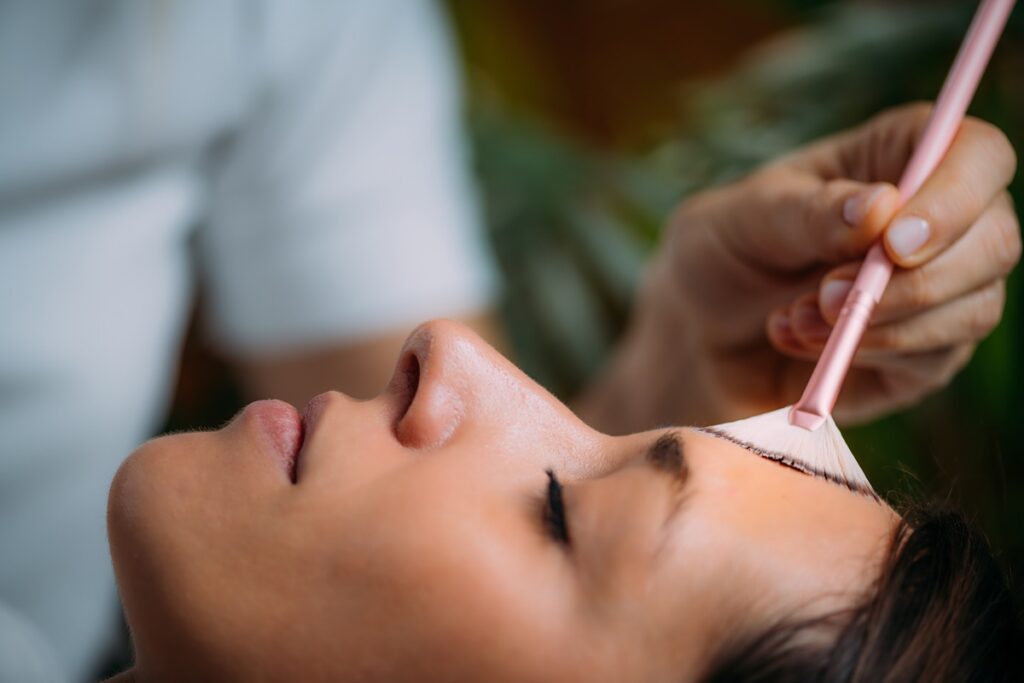
Chemical peels take the opposite approach. An acid solution—lactic, glycolic, salicylic, or some combination—is applied directly to the skin, exfoliating the damaged outer layers and revealing what’s fresher underneath. The depth of that exfoliation depends on which peel is selected. At Virtual Skin Spa, the range runs from gentle formulations built for sensitive skin all the way to intensive peels targeting deeper surface concerns. The focus here is tone, clarity, and clearing what’s built up in those outer layers.
Where They Each Excel
Structural concerns call for microneedling. Acne scarring that’s stuck around for years, stretch marks, loose skin, enlarged pores—these need rebuilding from beneath the surface, and that’s exactly what microneedling does. It also carries no risk of pigmentation changes, which is an important consideration for patients with darker skin tones who are cautious about other options.
Surface-level concerns call for a chemical peel. Hyperpigmentation, sun damage, melasma, acne, chronic dullness—these live in the outer layers and a well-matched peel gets to them more efficiently than any collagen-building treatment would.
The Variable Worth Knowing
Post-peel sun sensitivity doesn’t get talked about enough. After a chemical peel, the skin is more vulnerable to UV damage while it recovers. Broad-spectrum SPF and sun avoidance go from recommended to non-negotiable. Microneedling doesn’t carry that same limitation—worth considering for patients who spend time outdoors or can’t easily adjust their routines.
They’re Not Mutually Exclusive
Patients whose skin warrants both often use both. Microneedling handles structural work while chemical peels handle surface renewal. Together over time, they work on different layers of the same skin—which is why the combination frequently outperforms either treatment on its own.
The right call for your skin starts with someone who has actually seen it.
Book a consultation here or call (917) 331-6191.



Leave a Reply
You must be logged in to post a comment.