

Non-Surgical Postpartum Core Repair: Can EmSculpt Fix Diastasis Recti
Pregnancy does a lot to your body that nobody really prepares you for. Somewhere between the sleepless nights and the six-week checkup, you might have noticed a gap running down the middle of your stomach, a soft spot where your abs used to be. That’s diastasis recti, and if you’ve been quietly Googling ways to fix it without surgery, you’ve probably landed on EmSculpt more than once.
So does it actually work? Short answer: yes, for a lot of people. Longer answer below.
What’s Going On With Your Core
Diastasis recti happens when your rectus abdominis, the muscle responsible for that six-pack look, stretches and separates down the midline to make room for your growing baby. For a lot of women, that gap closes on its own within the first year postpartum. For plenty of others, it doesn’t, and that’s when things like lower back pain, poor posture, and that stubborn “still look pregnant” feeling tend to stick around.
EmSculpt was originally built for muscle toning, not postpartum recovery specifically, but it turns out the same technology that builds abs also happens to help close this particular gap.
How It Helps Close the Separation
The treatment uses HIFEM, high-intensity focused electromagnetic energy, to force your abdominal muscles into roughly 20,000 contractions during a single 30-minute session. That’s not something you could replicate with crunches even if you tried for hours, and it’s intense enough to genuinely thicken the rectus abdominis over time.
As those muscles rebuild and thicken, they naturally get pulled closer together, narrowing the gap that’s been sitting there since delivery. Clinical research backs this up too, studies have shown an average reduction in muscle separation of roughly 10% to 19% with EmSculpt treatment.
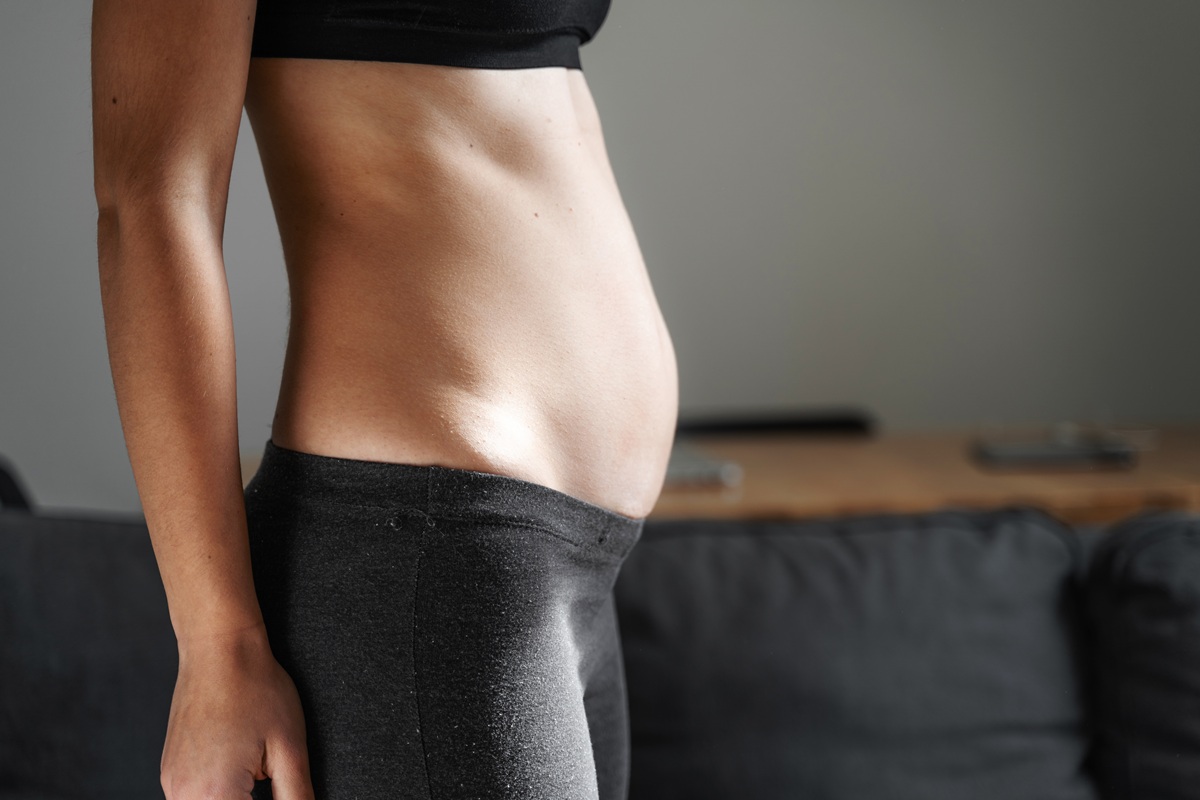
If fat loss is also part of what you’re after, EmSculpt Neo adds radiofrequency heat into the mix, which helps address the stubborn layer of fat that often sits right over that separated muscle, something a lot of postpartum bodies deal with regardless of diet or exercise.
There’s a secondary benefit too, one that doesn’t get talked about enough. A stronger, more stable core often means less strain on your lower back, which matters a lot when you’re spending your days hunched over a crib, carrying a car seat, or nursing at odd angles for months on end. Better posture tends to follow right along with it.
What a Treatment Plan Looks Like
Most providers recommend four sessions spread across two weeks. No downtime involved, you can walk in, complete a session, and go straight back to your day, chasing a toddler included.
The Limits
Here’s the part that matters most: EmSculpt is genuinely effective for mild to moderate separation, but it’s not a substitute for surgery in severe cases. If you’re dealing with a significant fascial rupture or serious tissue tearing, no amount of electromagnetic muscle contraction is going to close that gap. Those cases typically need a conversation about a surgical tummy tuck instead, and that’s a conversation worth having honestly rather than trying to treat your way around it.
It’s also worth knowing that EmSculpt works best as part of a bigger picture, not a standalone fix. Pairing it with proper postpartum core rehab and pelvic floor physical therapy tends to produce far better, more lasting results than relying on the treatment alone. Your abdominal wall and your pelvic floor are connected in ways that matter here, and addressing just one piece rarely gets you the full picture of recovery you’re actually looking for.
Is This Right for You?
If you’re months or even years postpartum and still dealing with that visible gap, a soft midsection that doesn’t respond to core workouts, or nagging back pain that never seems to fully resolve, it’s worth having someone actually assess your specific case. Diastasis recti severity varies a lot from person to person, and what worked for someone you follow on Instagram might not be the right call for your body.
At Virtual Skin Spa in Jericho, we start every postpartum consultation by figuring out where you actually stand, mild, moderate, or something that needs a different kind of care entirely, before recommending anything.
Book a consultation here or call (917) 331-6191.



Leave a Reply
You must be logged in to post a comment.